The Franck Muller Málaga Collection Presented at Picasso’s Birthplace

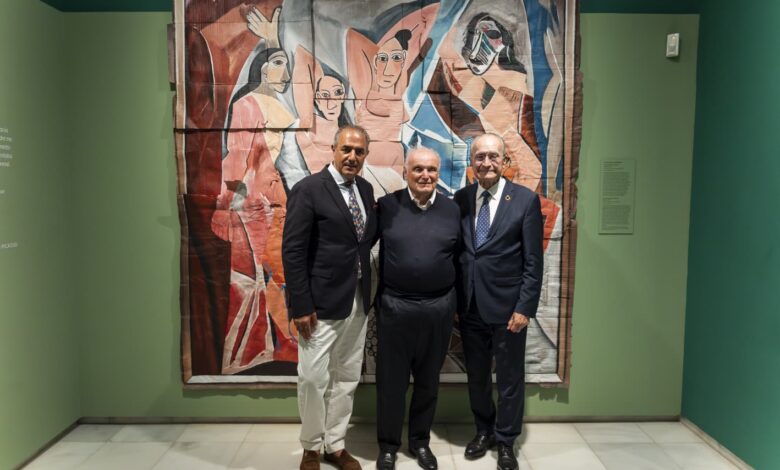
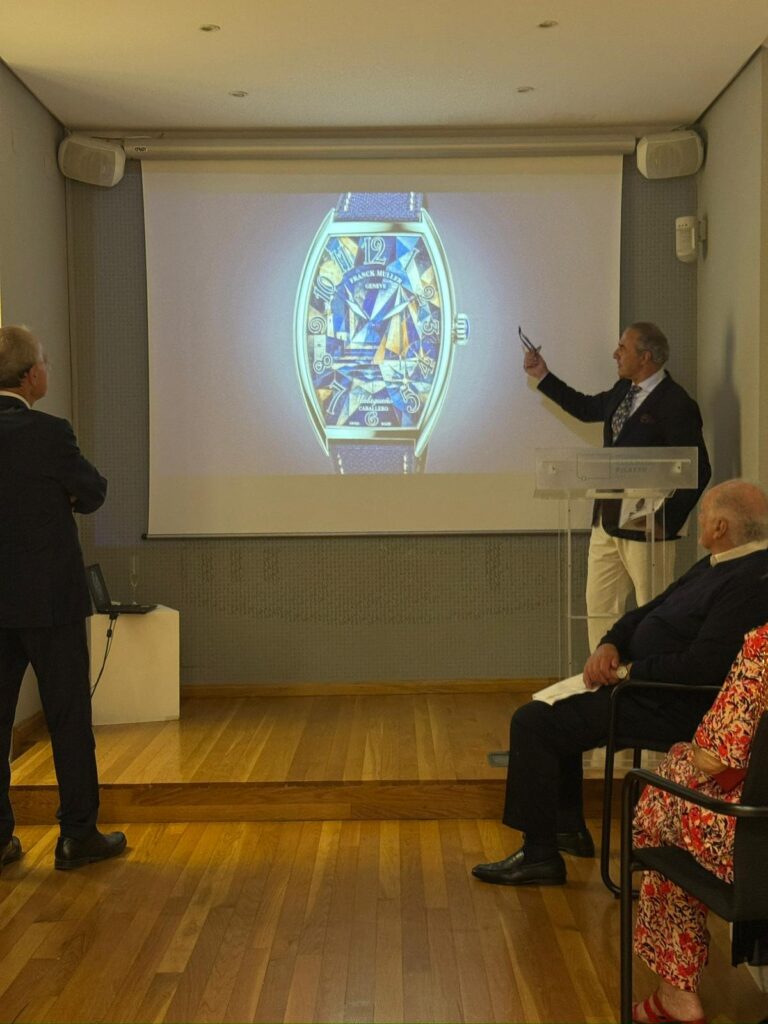
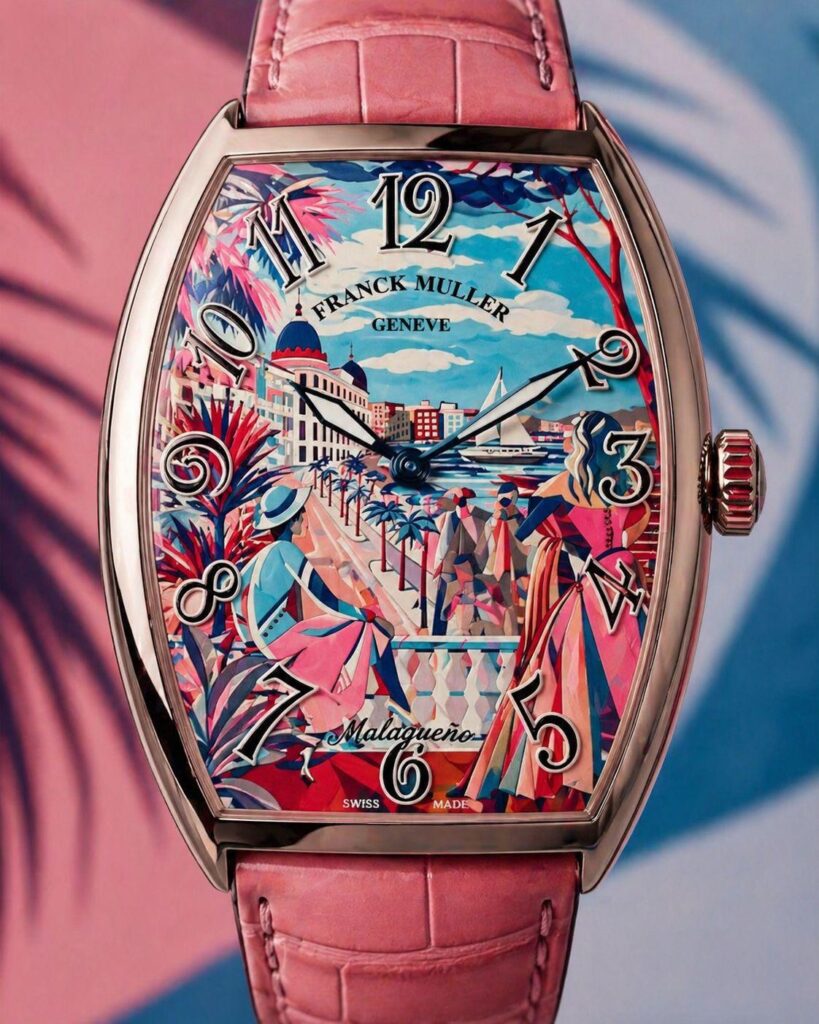
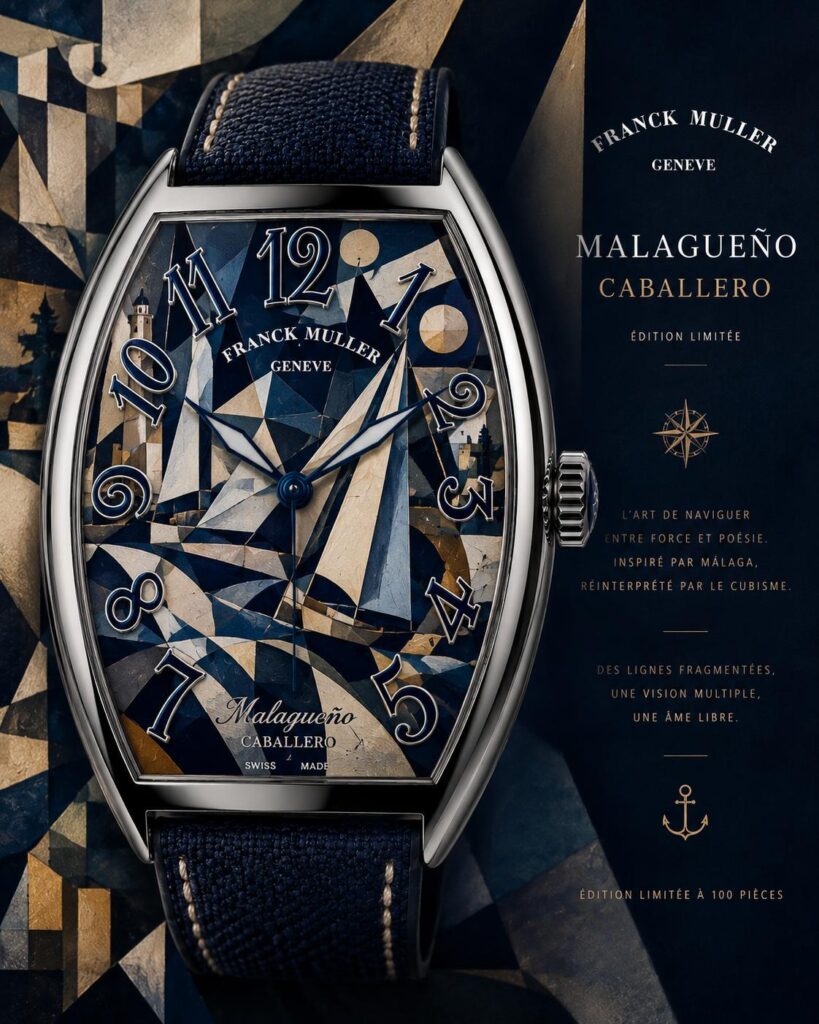
There are evenings that confirm why a city becomes a cultural reference. What Málaga experienced in recent days was an extraordinary convergence of art, heritage, gastronomy and the energy of a group of lovers of luxury and culture who travelled across Andalusia to come together in the most symbolic place possible. Among them, the “Colección Malagueña” conceived by Franck Muller and presented by Jean-Michel Simonian through his agency XCELSO, which brought its unmistakable mark of excellence to the gathering.
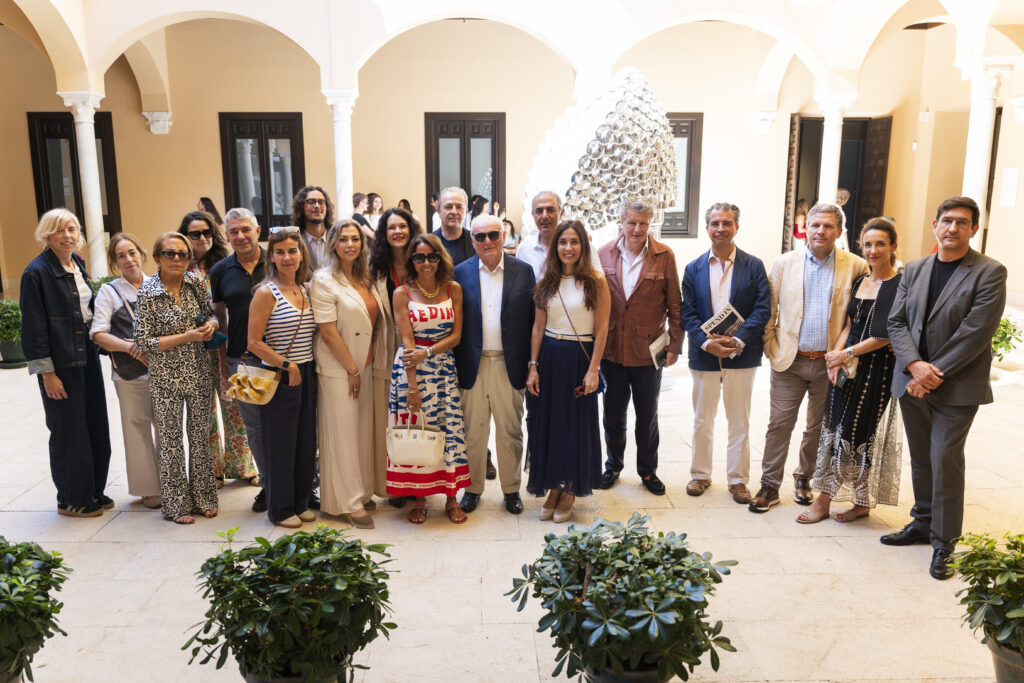
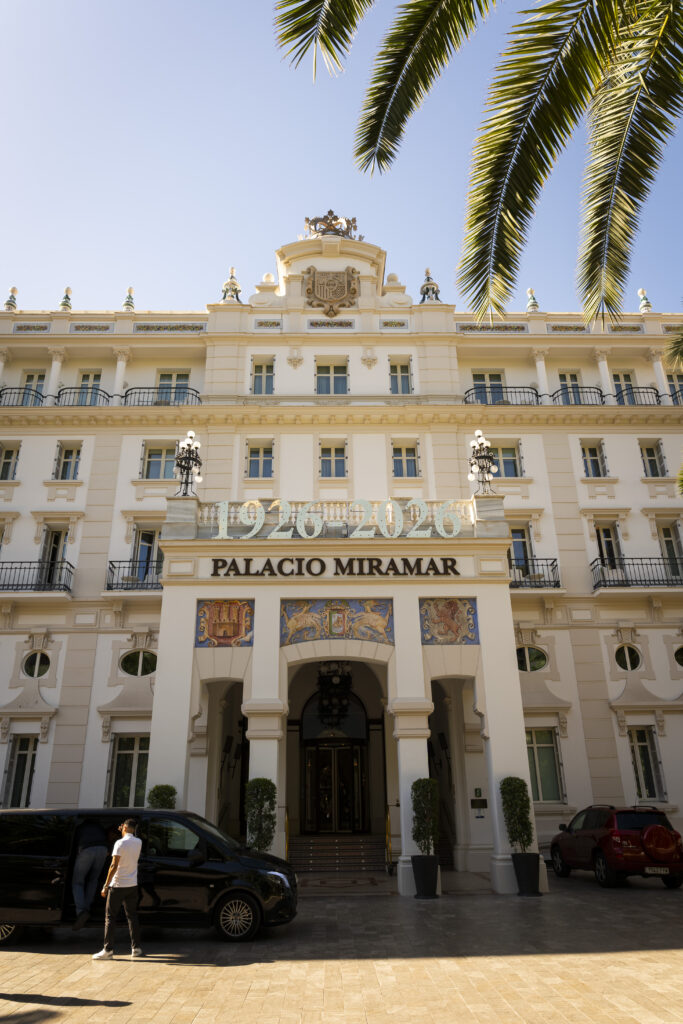
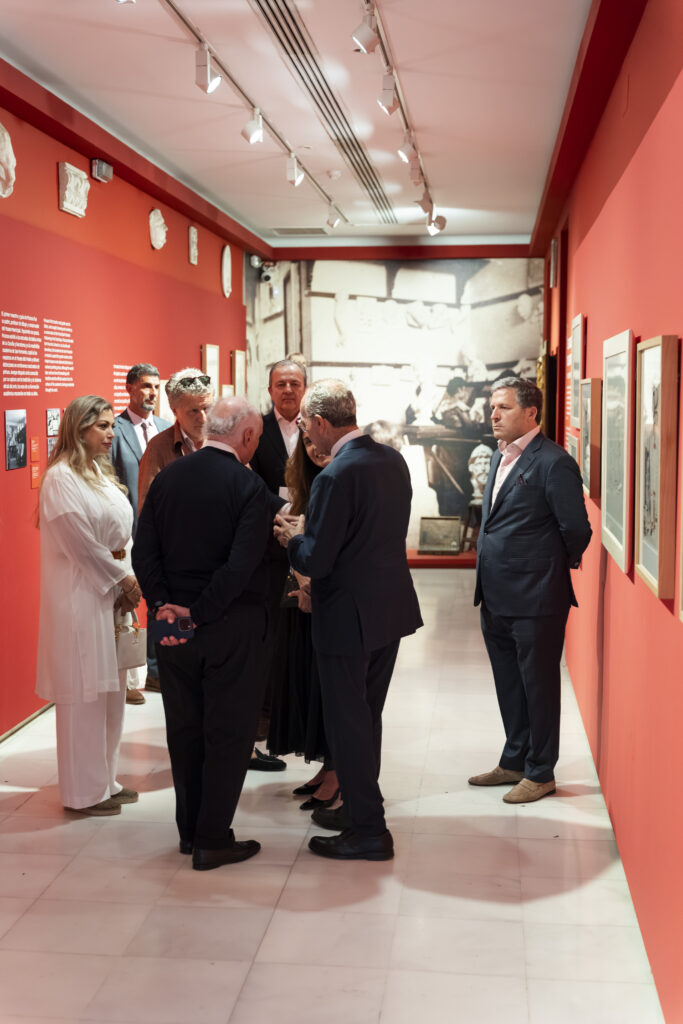
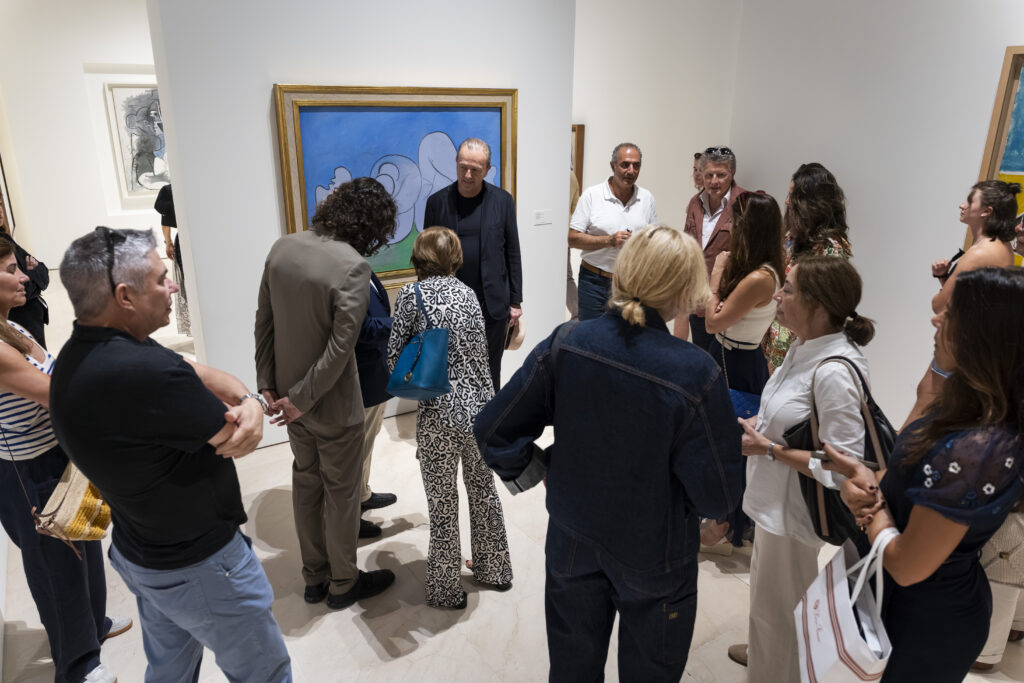
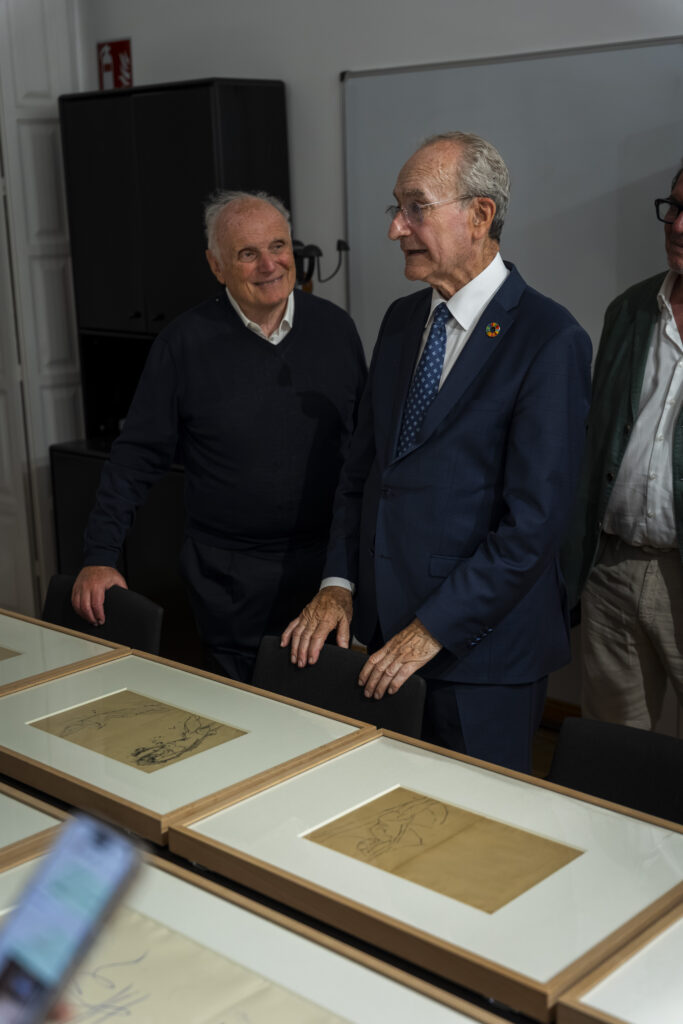
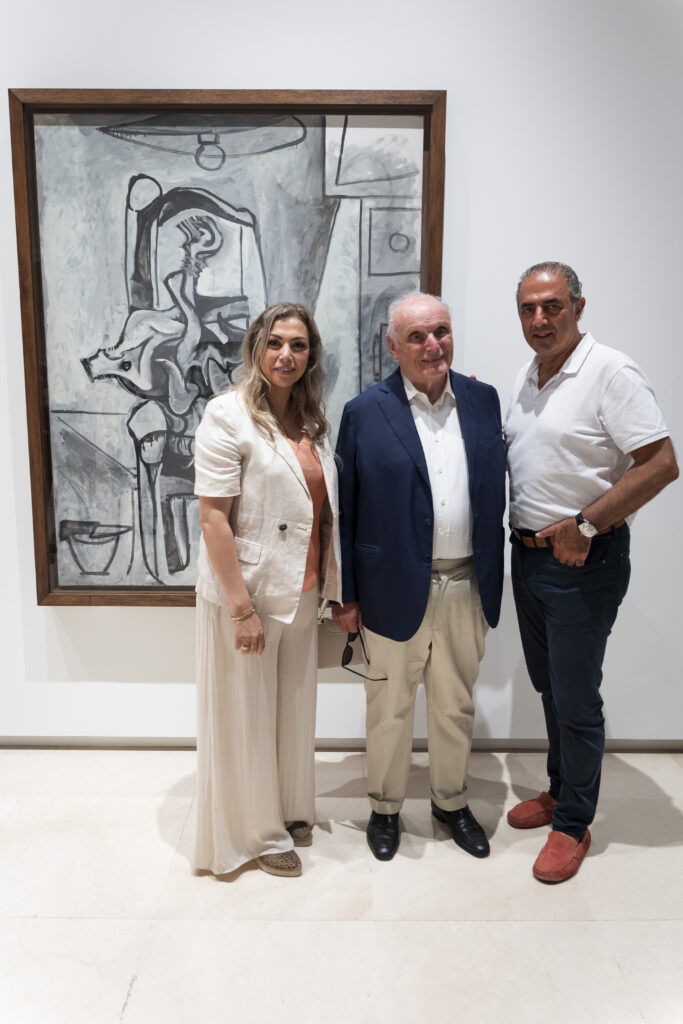
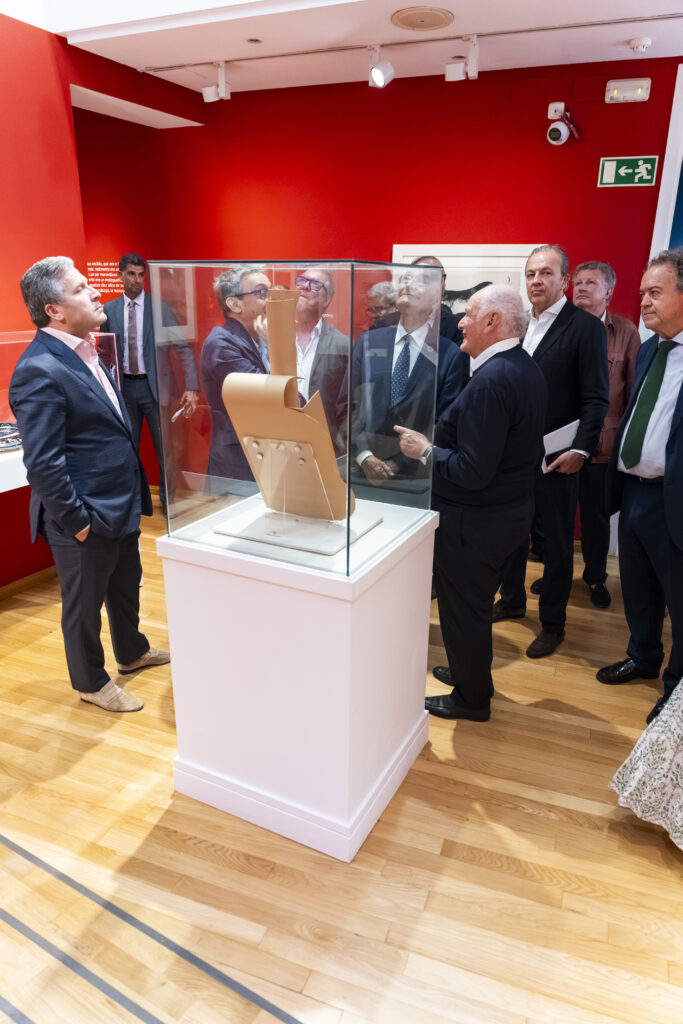
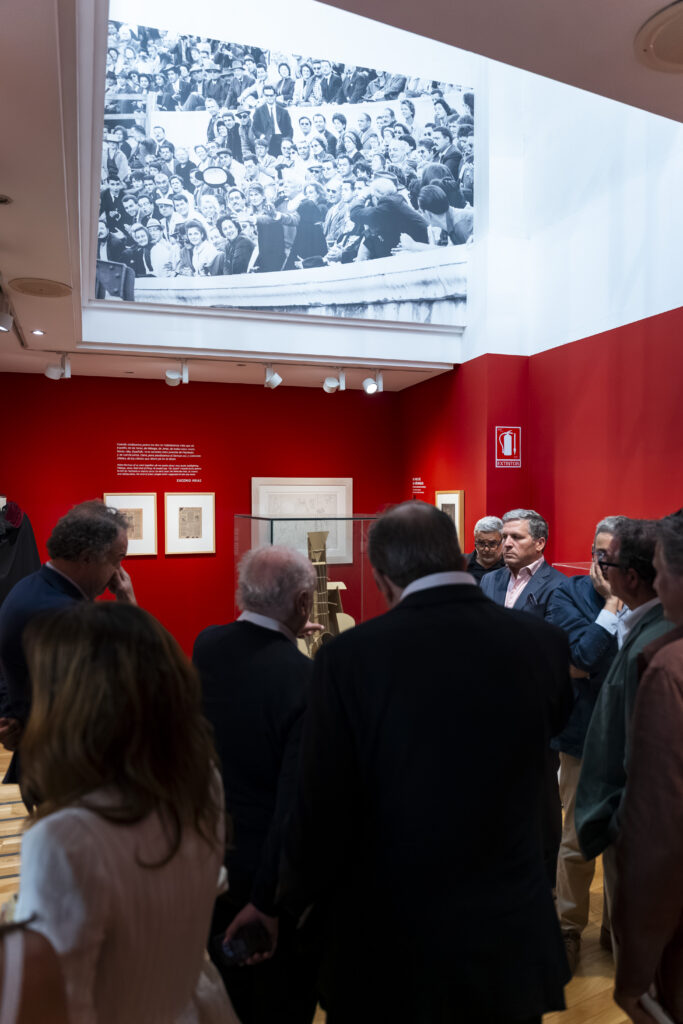
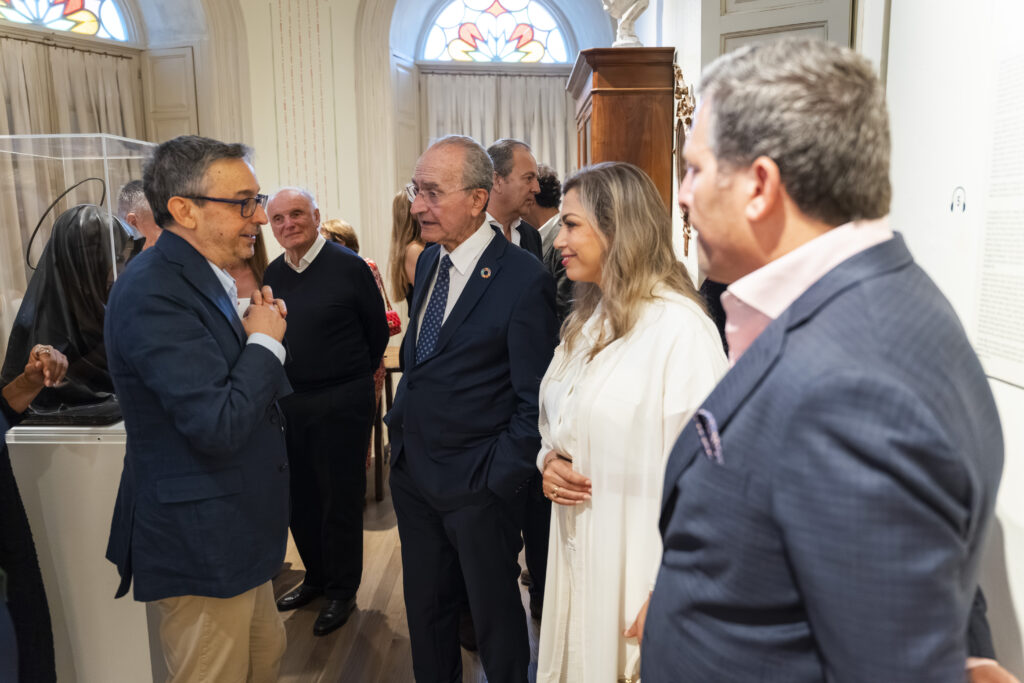
In the heart of the Plaza de la Merced, Picasso’s birthplace reaffirmed itself as a privileged stage for the great narratives of art. The private gathering brought together figures from the art world, institutional representatives, cultural players, collectors and international guests around a theme as precise as it was poetic: the relationship between creation, time and movement in the work of the genius from Málaga.
S&A Magazine was present at this exceptional occasion through its director, Mrs Soumaya Akbib, who accompanied every moment of the day with the attentive eye and discernment that define the publication’s editorial line. Her presence reflected the magazine’s commitment to the spaces where art, luxury and culture meet at the highest level.
The Picasso Birthplace: the true epicentre
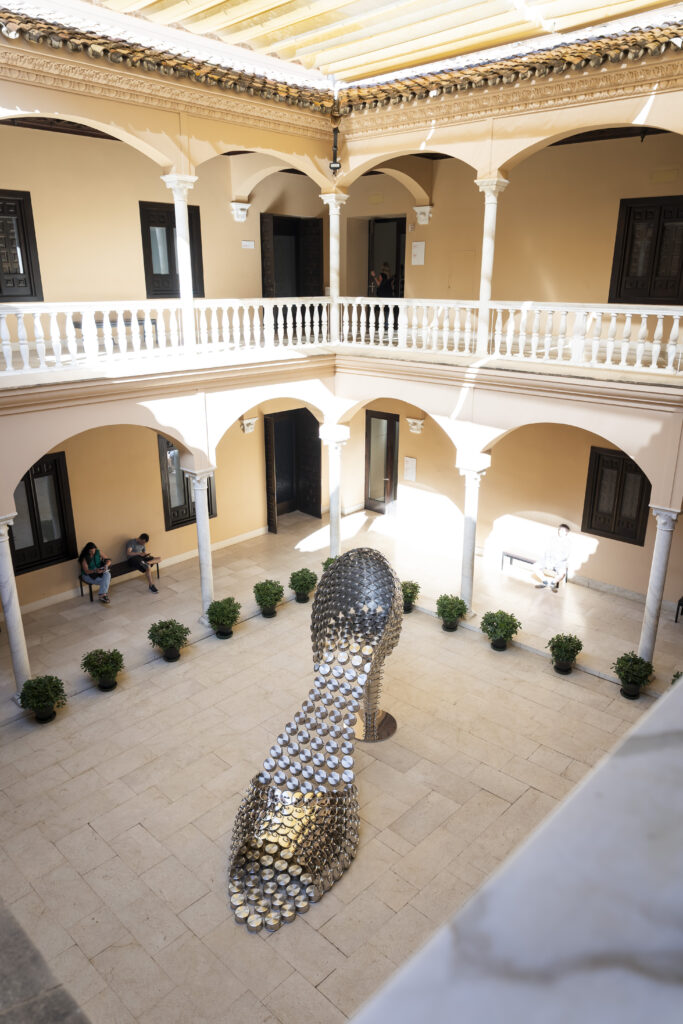
There are places that need neither decoration nor artifice to impress. The birthplace of Pablo Picasso, in Málaga’s Plaza de la Merced, is one of them. To enter these rooms is to understand, all at once, that genius is not born in a vacuum: it is born in a particular light, beneath certain ceilings, amid the murmur of a square that still exists.
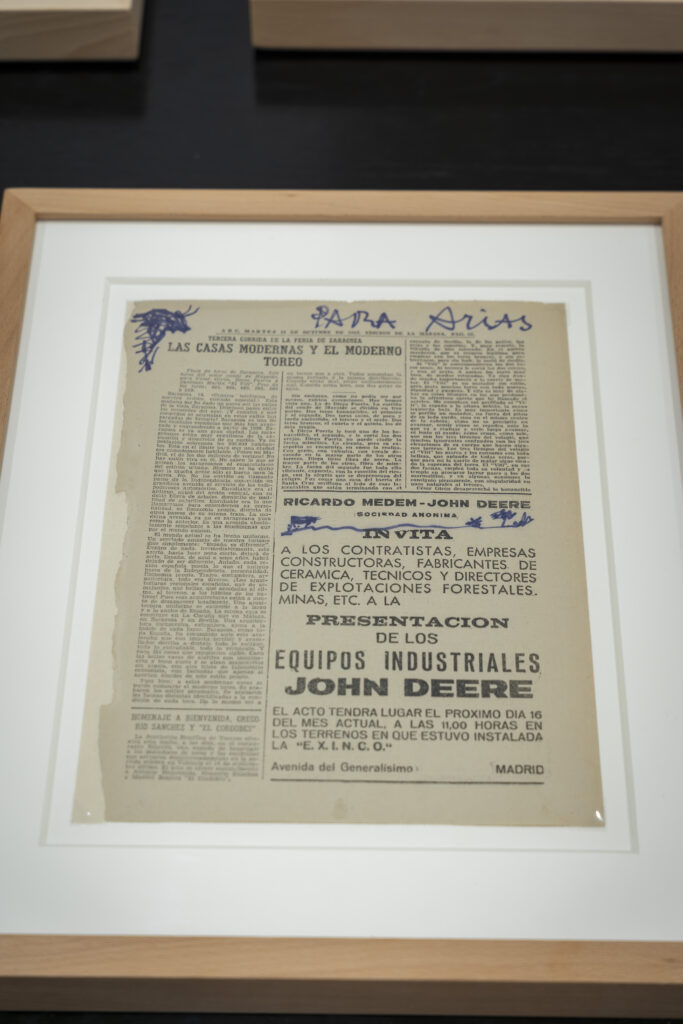
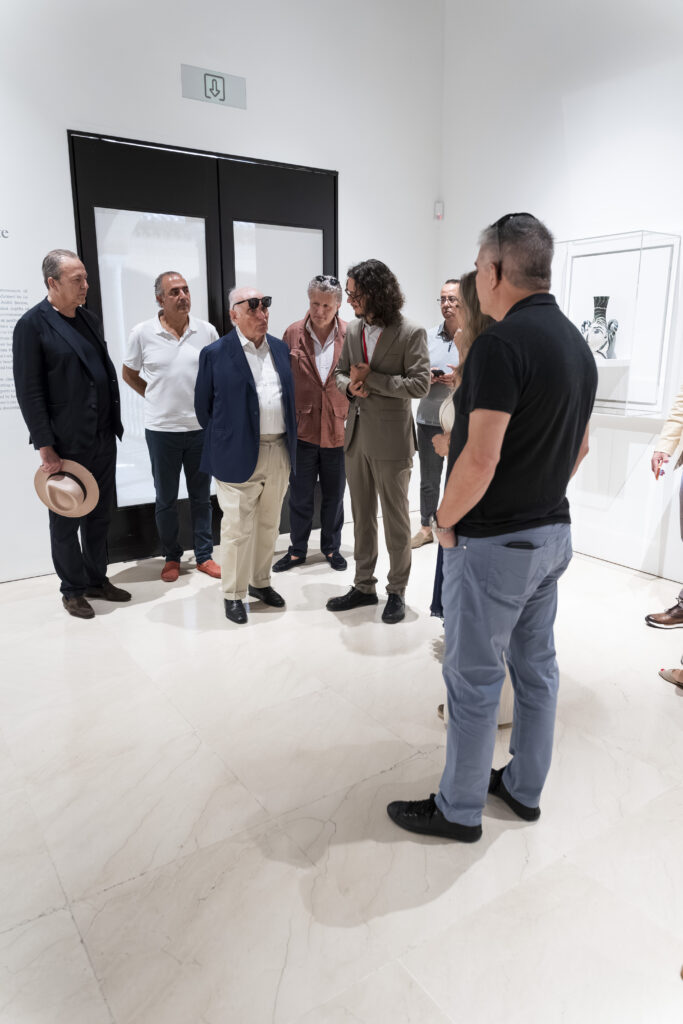
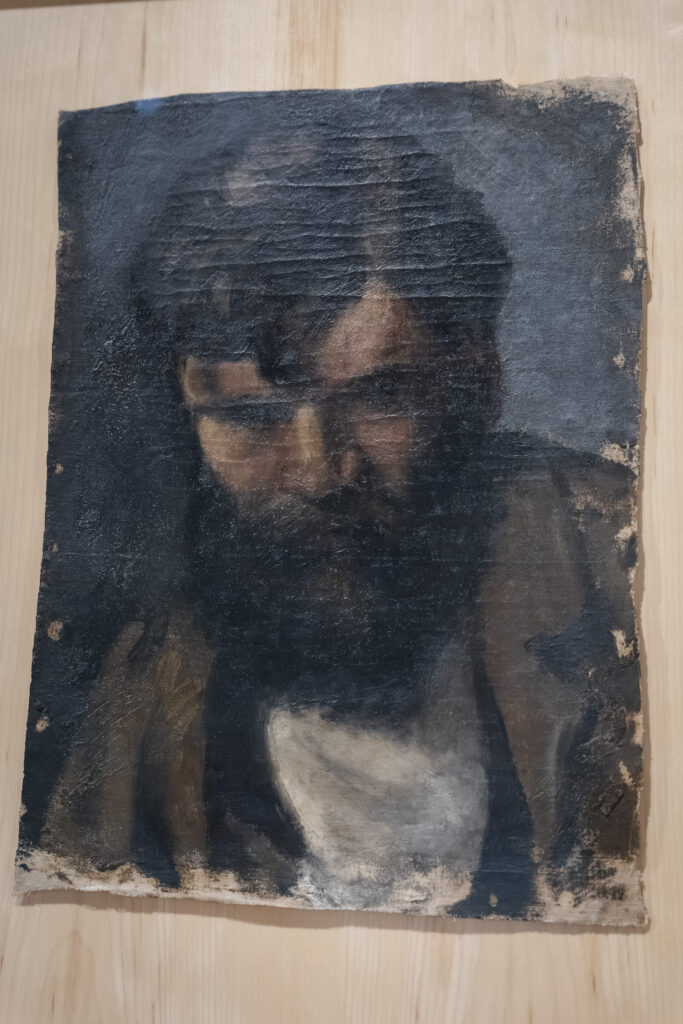
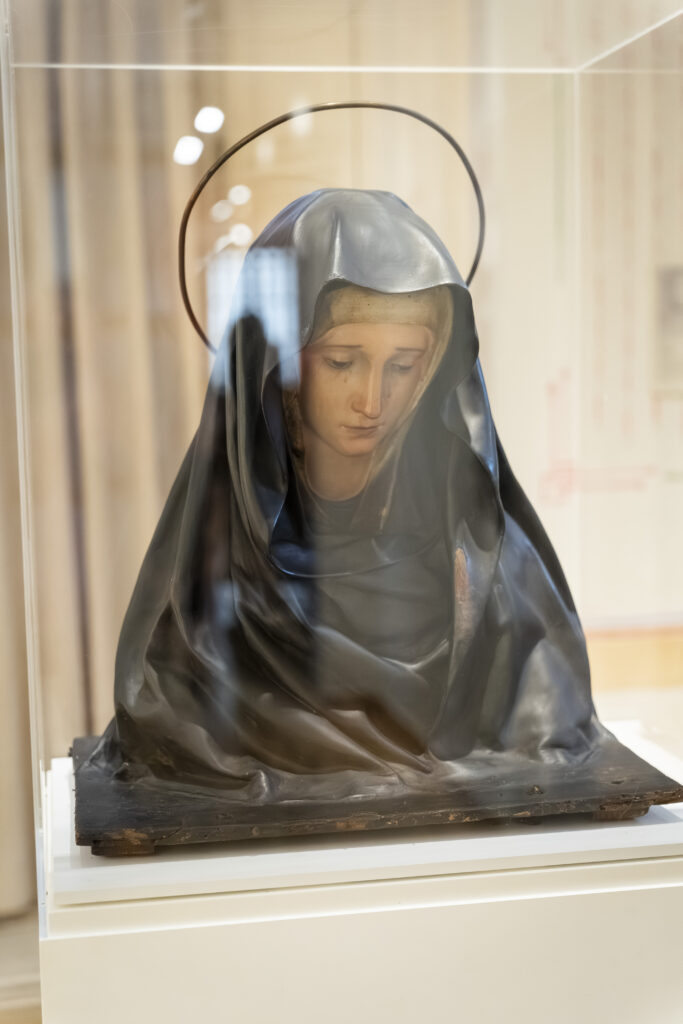
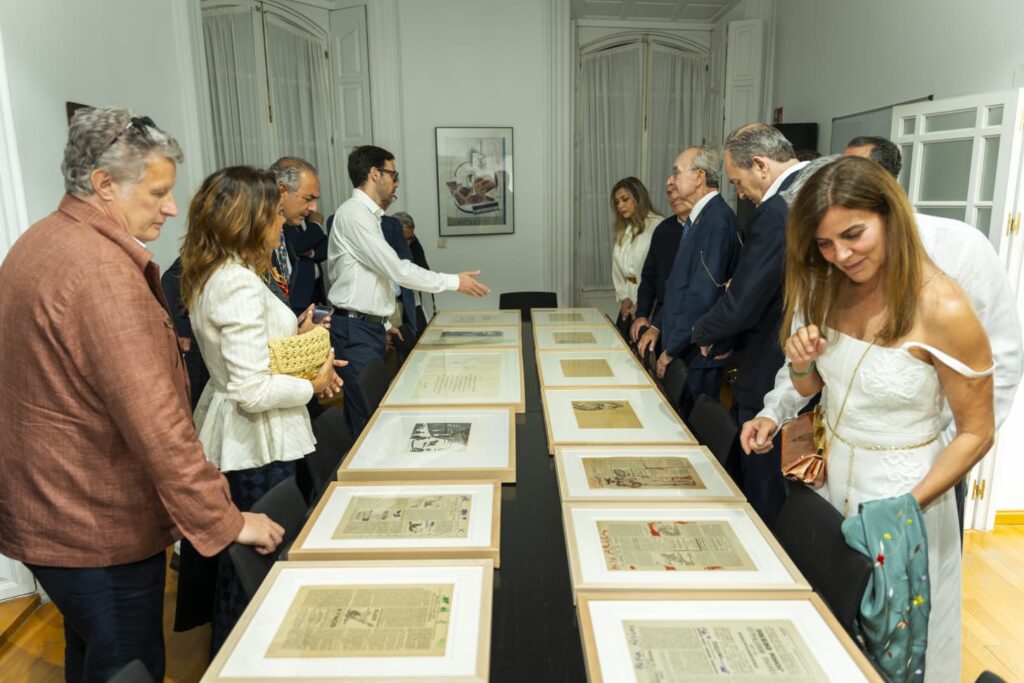
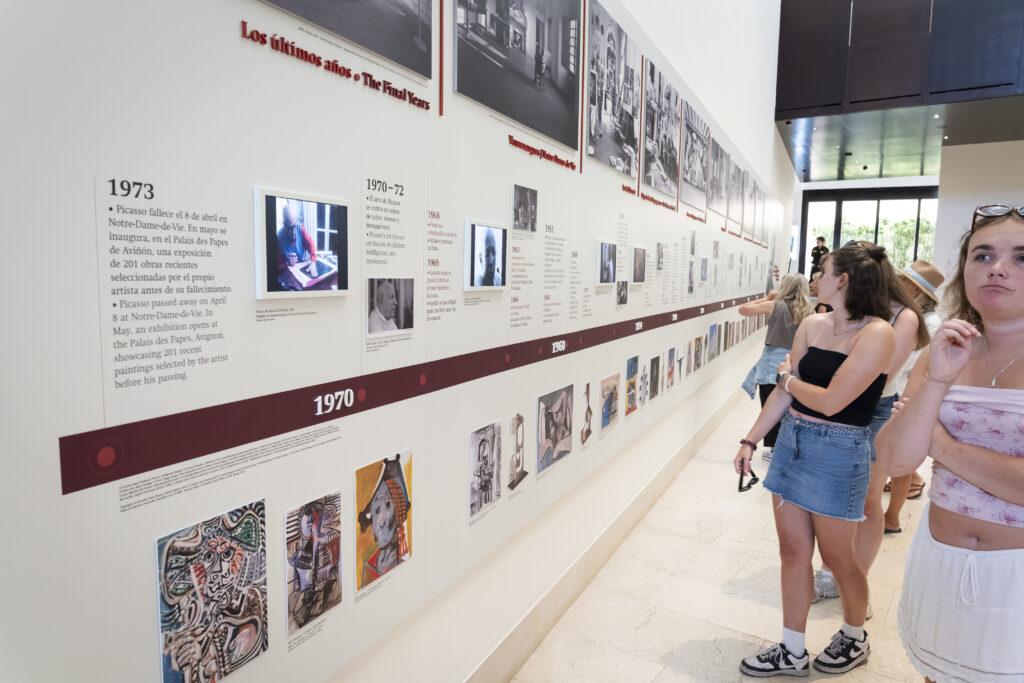
During the visit, guests walked through the spaces where the young Pablo took his first steps, where his father, José Ruiz Blasco, painter and teacher, began to sense the extraordinary dimension of his son. The documentary and artistic collection preserved by the institution makes it possible to reconstruct that family universe with moving precision: photographs, personal objects and early works that already announce the revolution that was to come.
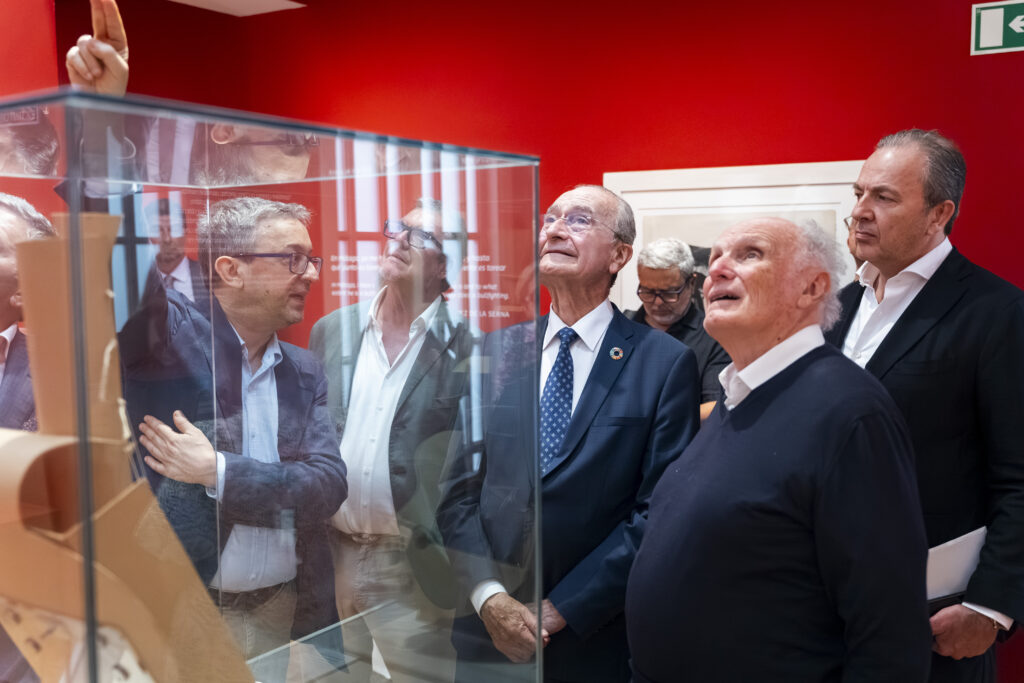
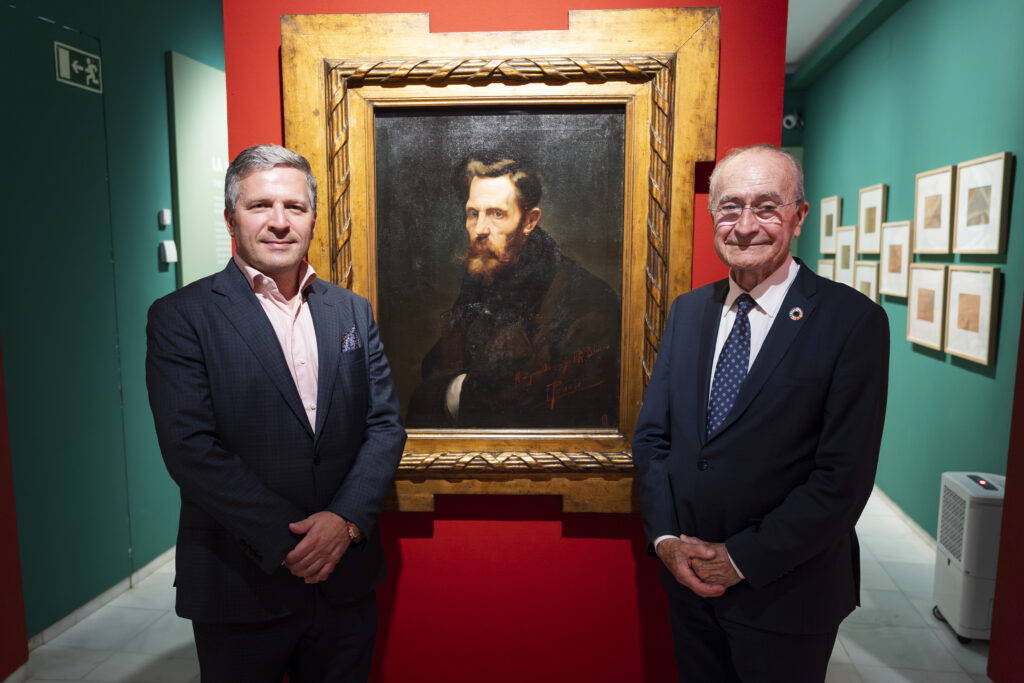
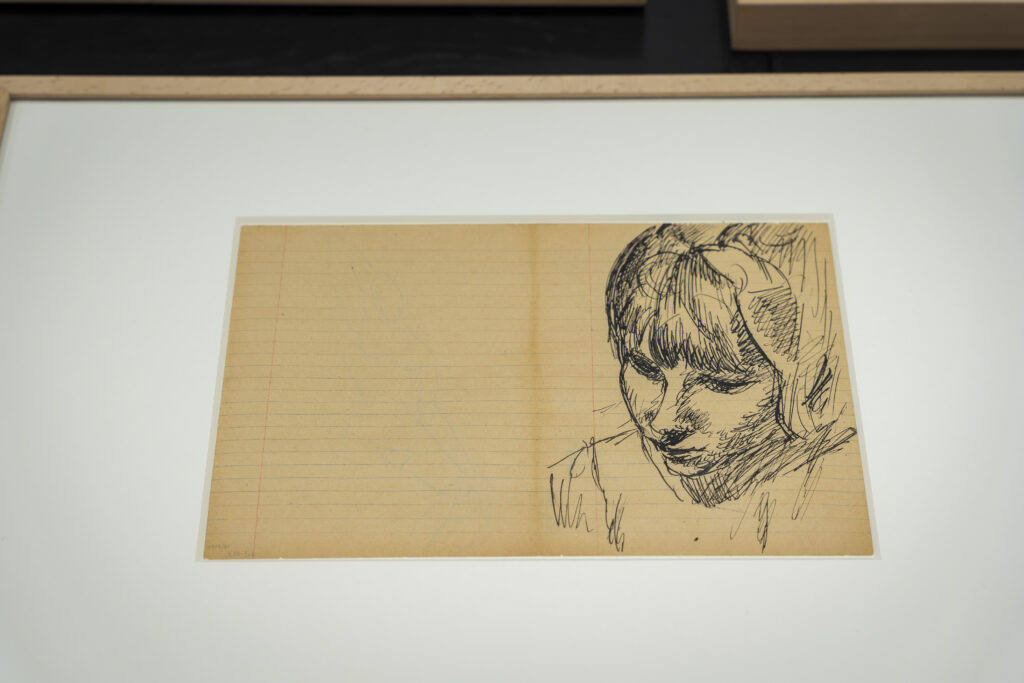
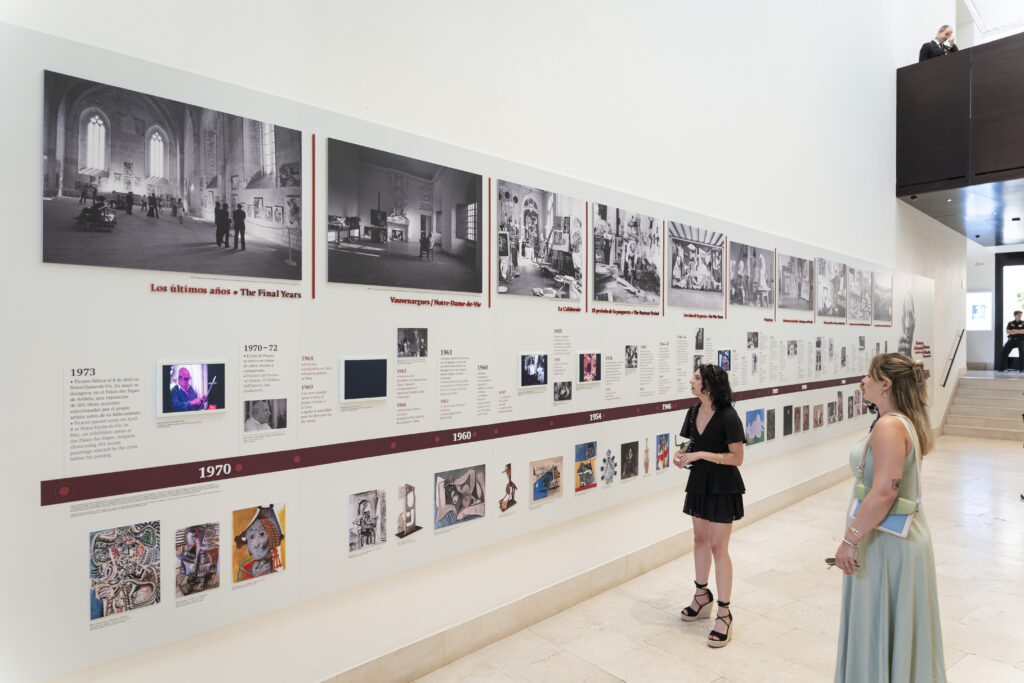
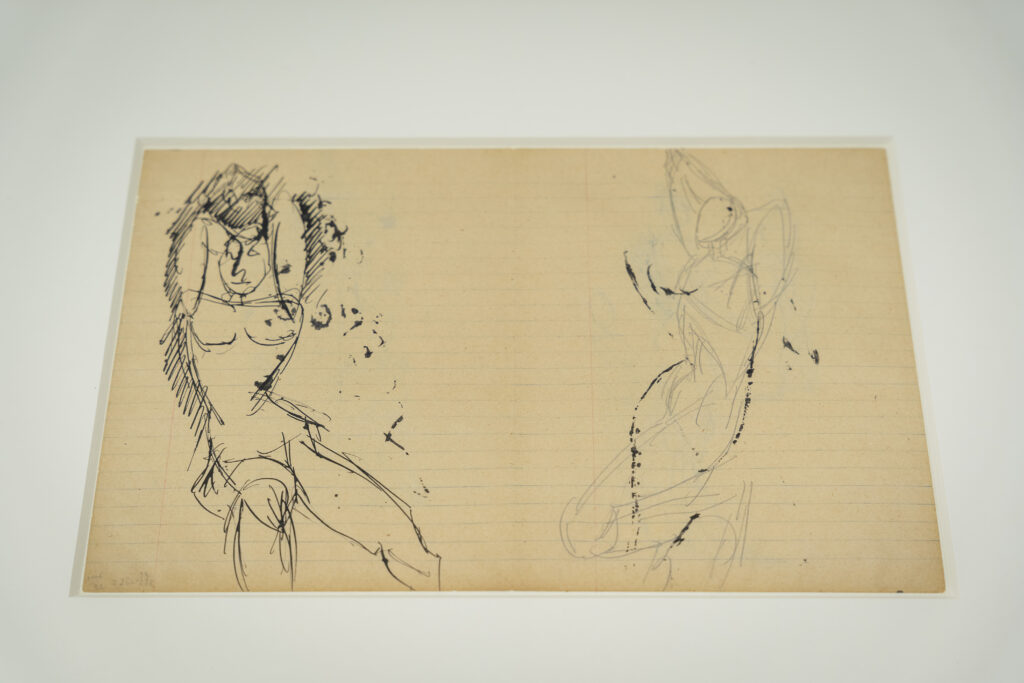
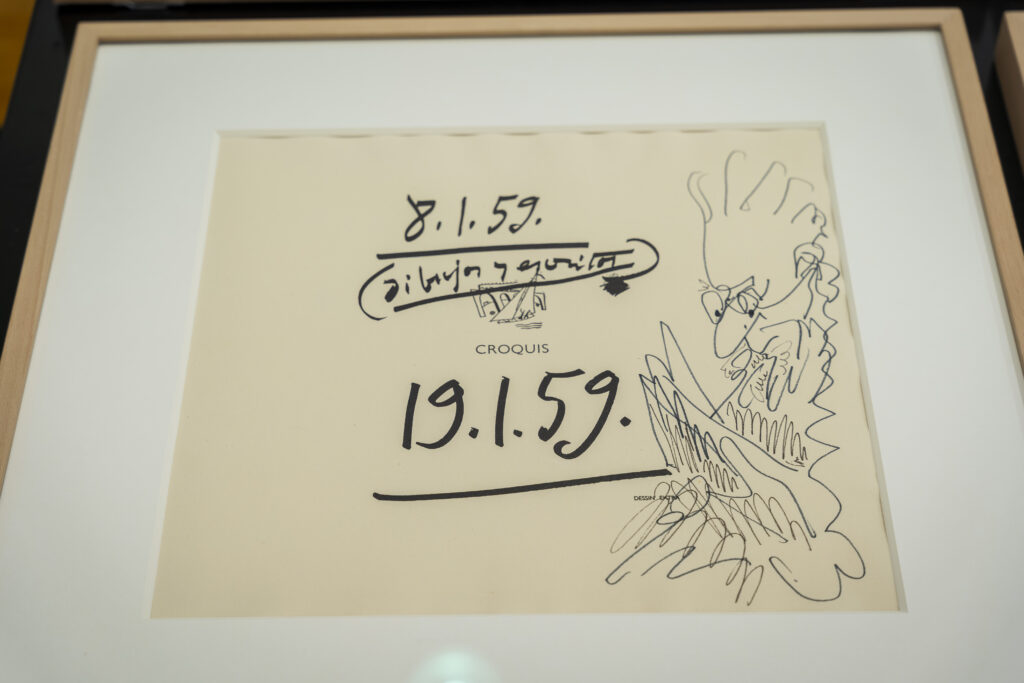
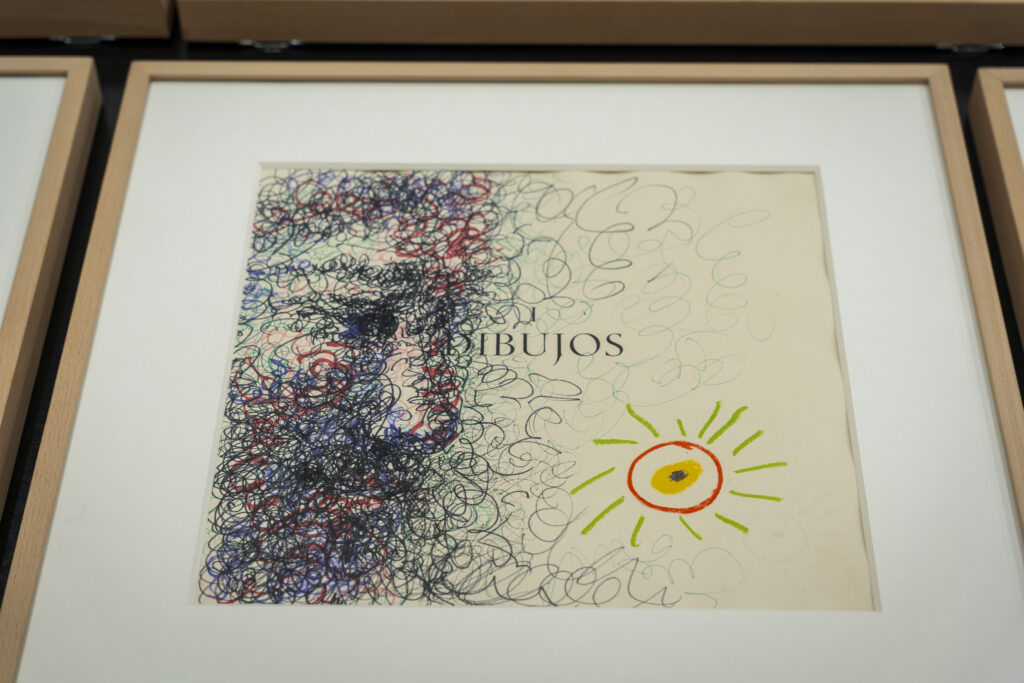
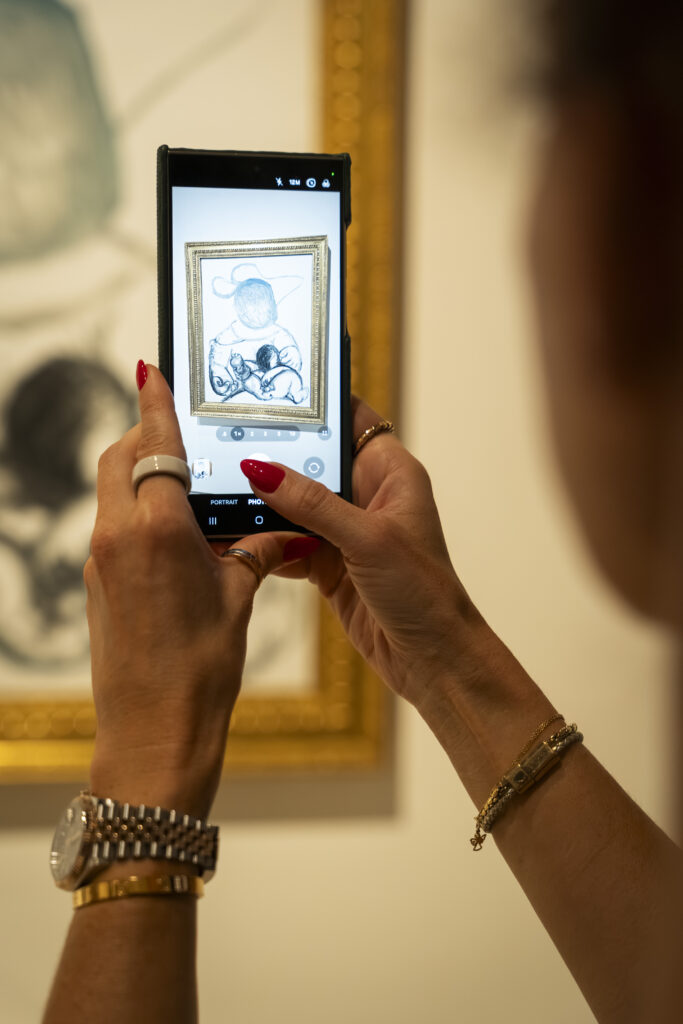
Now a museum and an internationally renowned research centre, the birthplace does not merely safeguard the past. It activates it, questions it and projects it into the present with a clarity few institutions achieve. The museography is rigorous without being cold, intimate without being commonplace. Each room invites the visitor to pause, to look closely, to establish that silent dialogue between viewer and work that only the great museums know how to foster.
A collector’s gesture turned into legacy
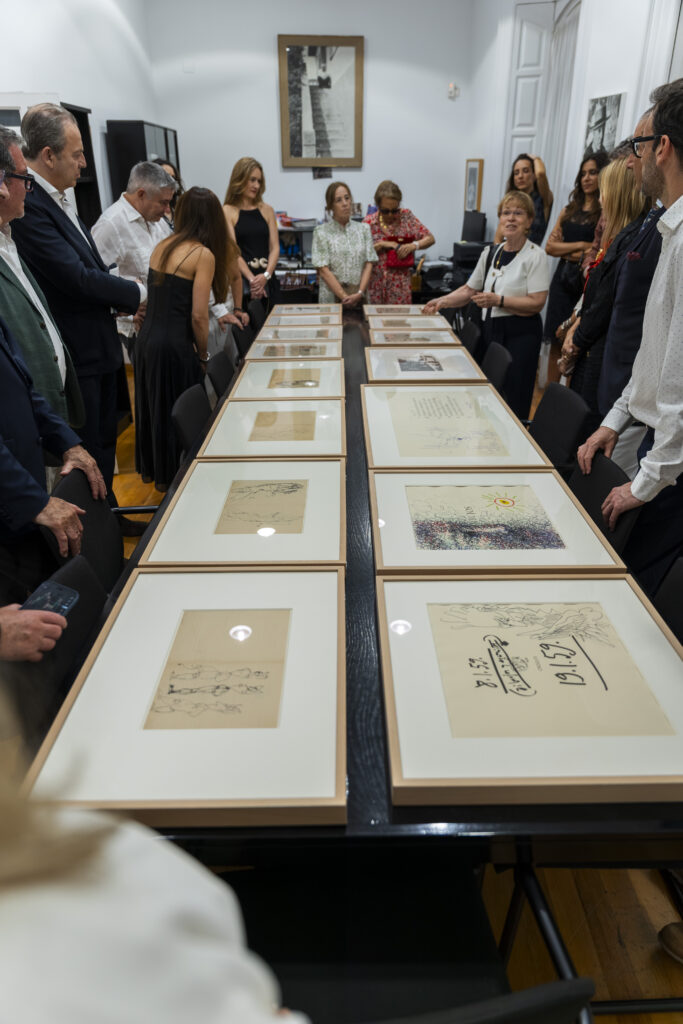
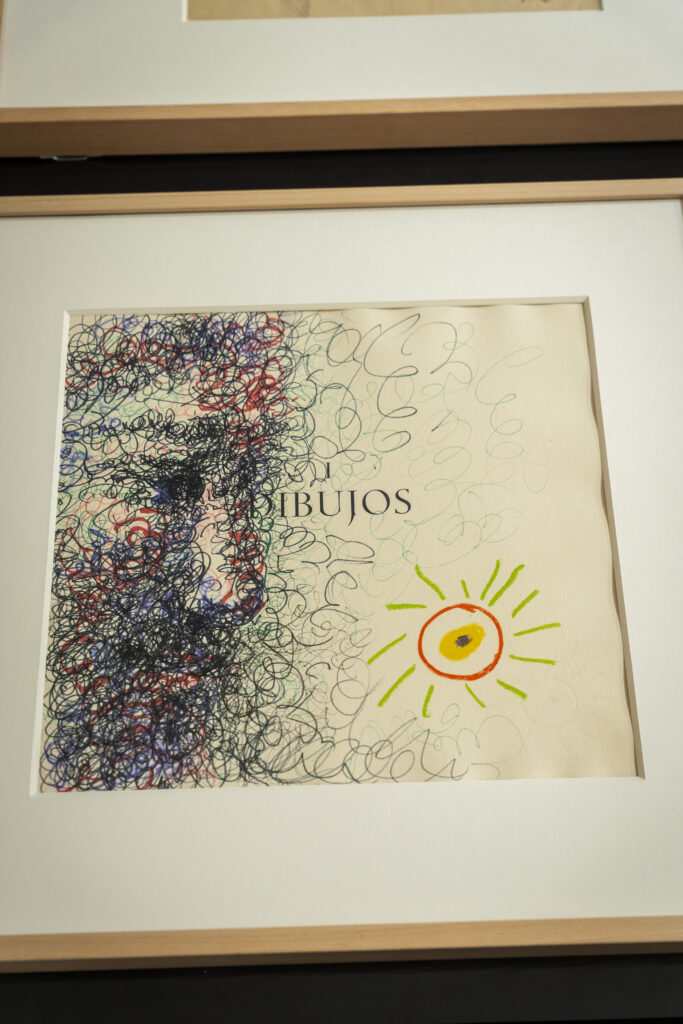
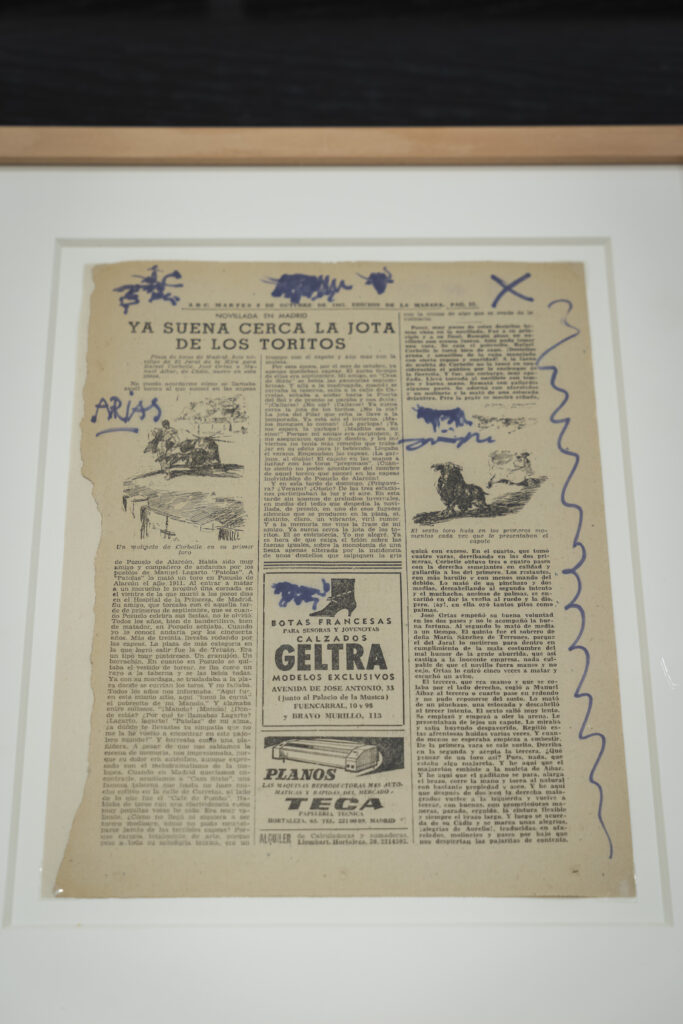
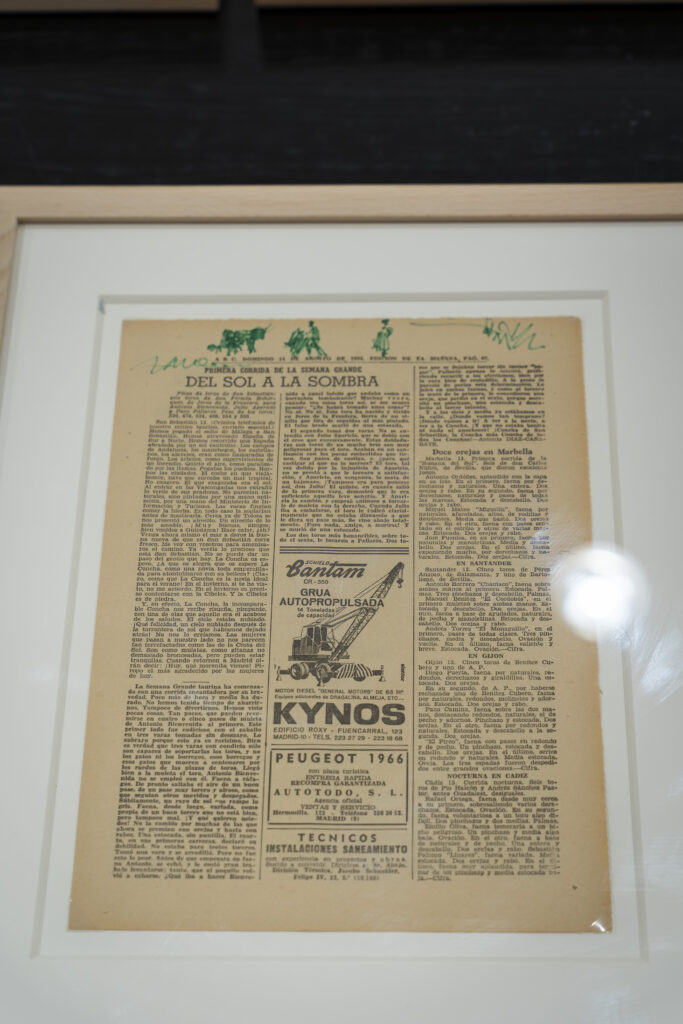
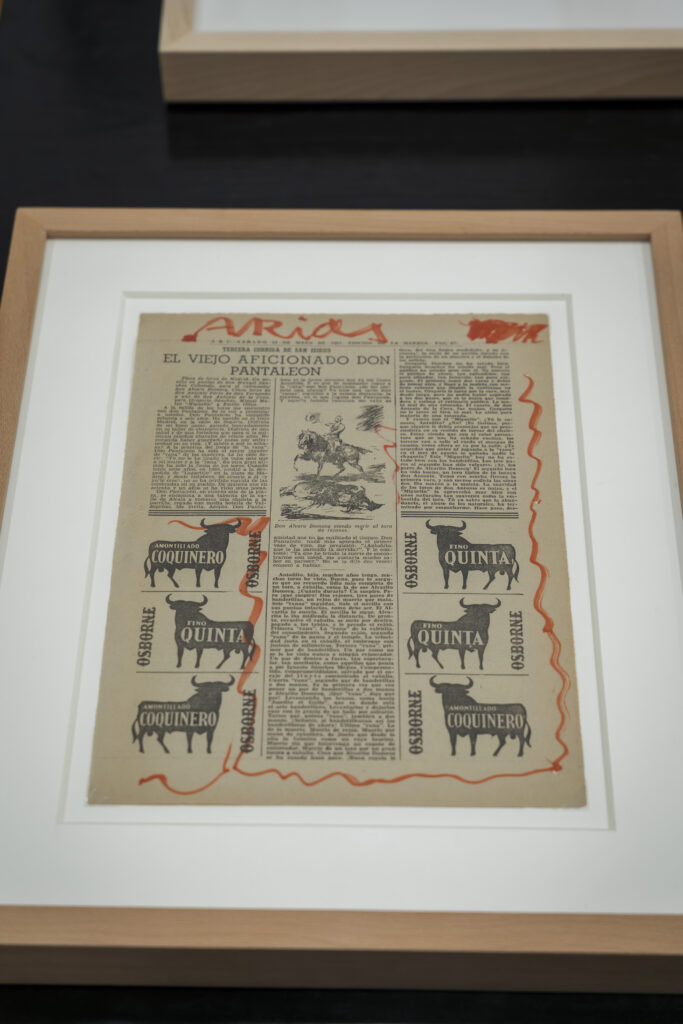
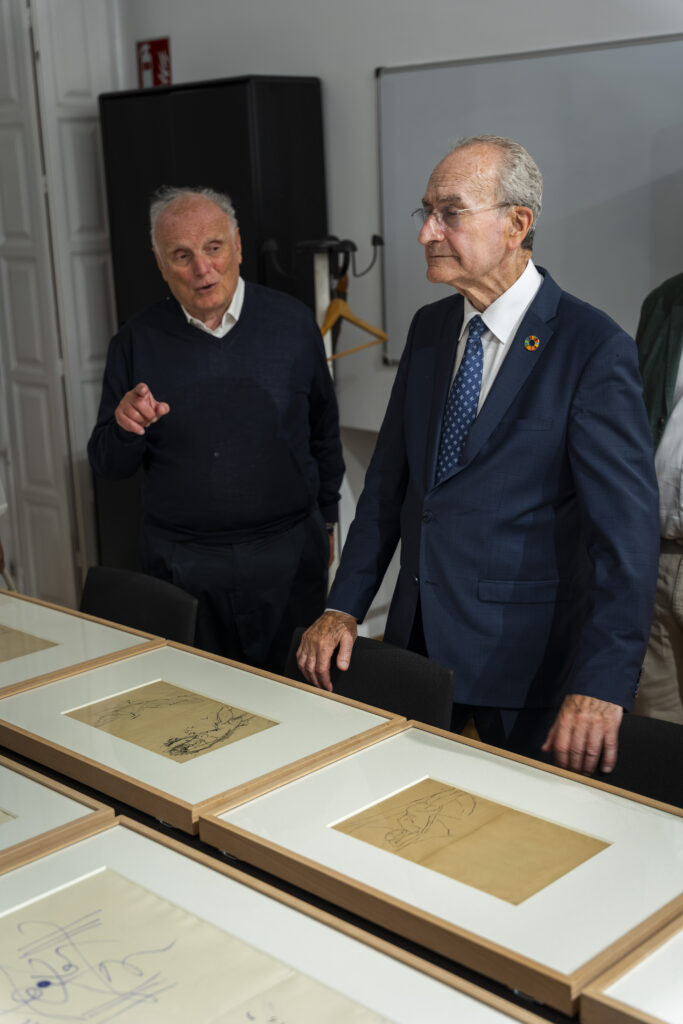
One of the high points of the day was the exceptional donation made by collector David Nahmad in favour of the Picasso Birthplace. Recognised as one of the world’s foremost collectors of modern art (the owner of more than three hundred works by the master from Málaga) and a key figure in the global dissemination of his work, Nahmad sealed with this gesture a decades long relationship with the Picassian universe.
What unfolded there was far more than an institutional formality. In the atmosphere one could clearly feel the awareness of witnessing an act of legacy transmission. The donation builds a bridge between the collector’s private journey and the public destiny of the work, between the private sphere and the collective memory of Málaga and of the international artistic community. The birthplace, and by extension the city, thus take on a responsibility: to safeguard and activate this heritage with an eye to the future.
Dialogues on creation: when time becomes matter
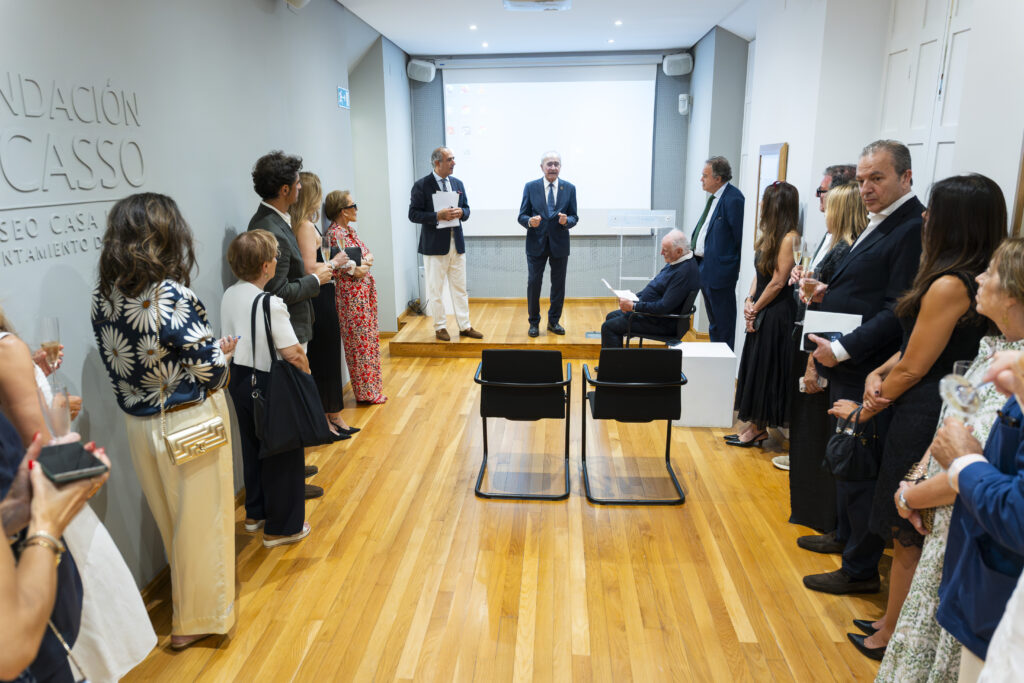
The gathering was built around an intimate and unprecedented dialogue between different voices from the world of art and collecting. The central theme (the relationship between creation, time and movement in Picasso’s work) took shape in contributions that, far from abstract theory, felt like a high level conversation among peers.
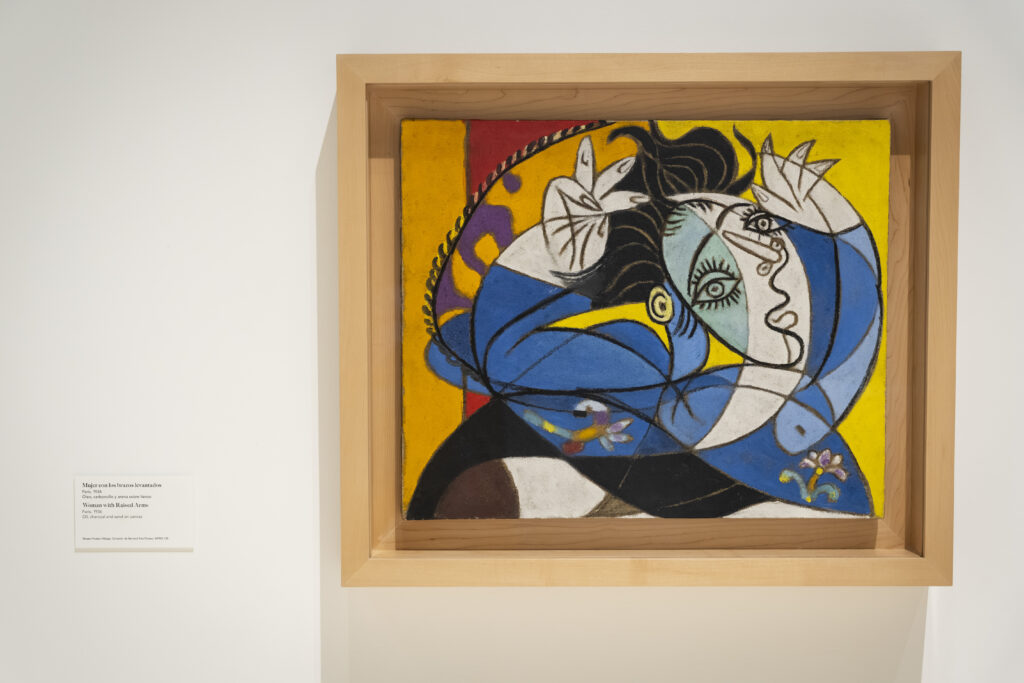
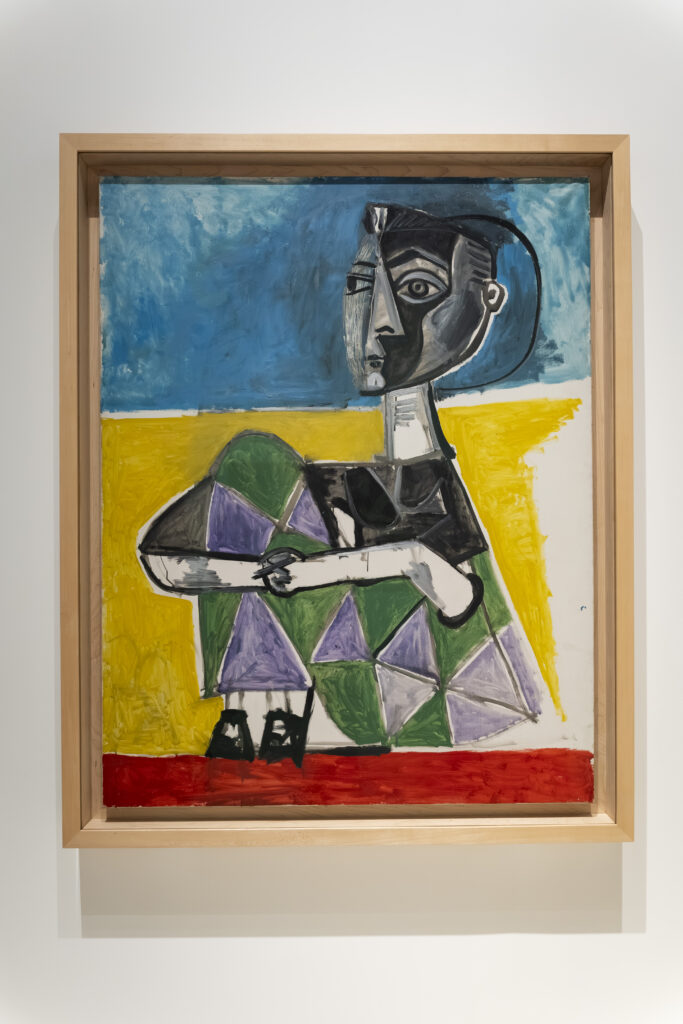
From the perspective of S&A Magazine, it was especially revealing to see just how radically contemporary Picasso remains. Not as a static icon, but as an active force that continues to inspire, to challenge and to question. There was talk of how the artist broke time apart on his canvases, multiplied points of view, turned movement into a structure of thought and anticipated many of the visual keys of our present. Each reflection added a further layer of depth to the bond between the creativity of yesterday and the searches of today.
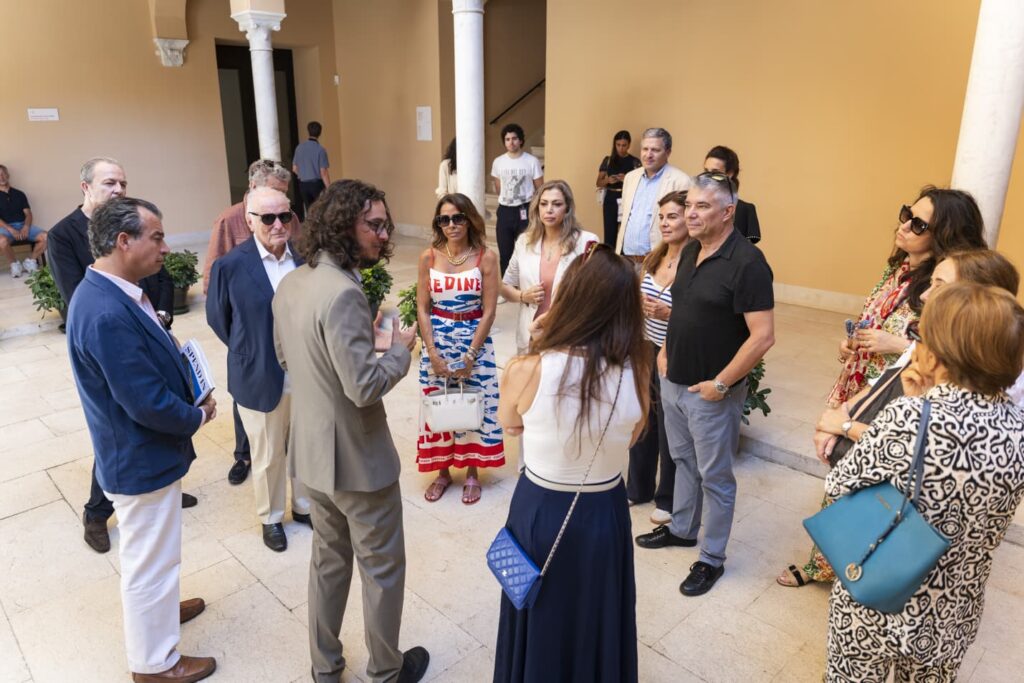
A choreography of word, image and gesture
The day’s programme was designed with millimetric precision. It was not a simple succession of speeches, but a true choreography of word, image and gesture. The timing, the sequence of the addresses, the moments of contemplation and the spaces for flowing conversation created an atmosphere of sober intensity.
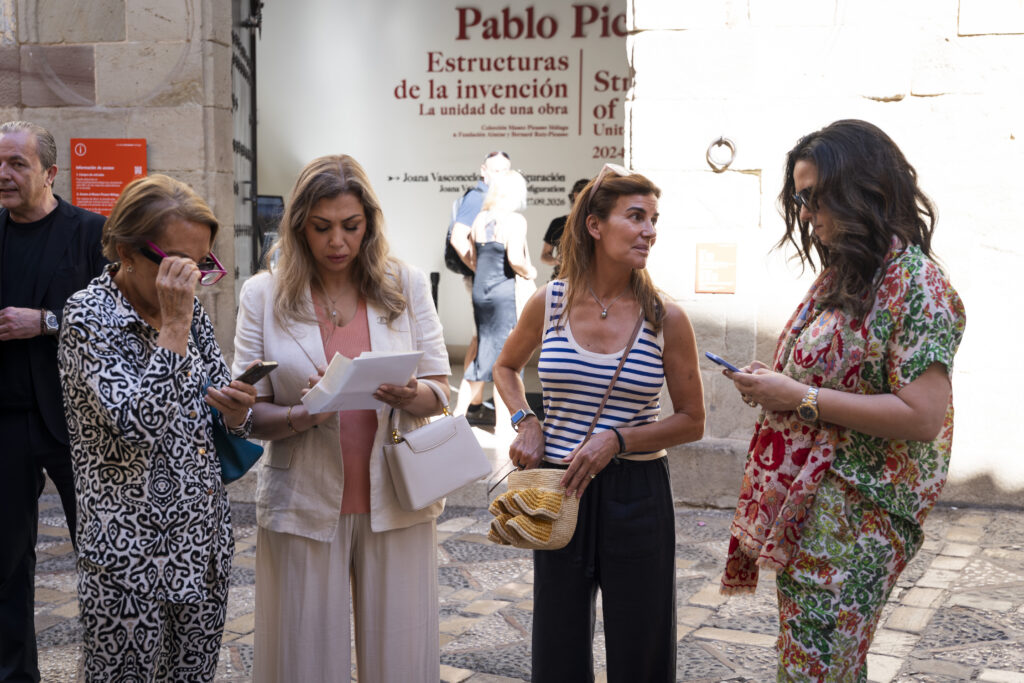
For S&A Magazine, one of the keys to its success lay in that harmony: nothing felt forced, yet nothing was left to chance. There was room for serene reflection, for restrained emotion and for those shared silences that arise only when everyone present is aware of the exceptional nature of what they are living.
An ending that is, in truth, a beginning
As the night went on and the conversations moved to more intimate spaces, one impression remained clear: this gathering was not a full stop, but a starting point. The birthplace reaffirmed its vocation as a place of encounter, reflection and inspiration for all those who, from different fields, continue to question Pablo Picasso’s legacy and its resonance in the art of our time.
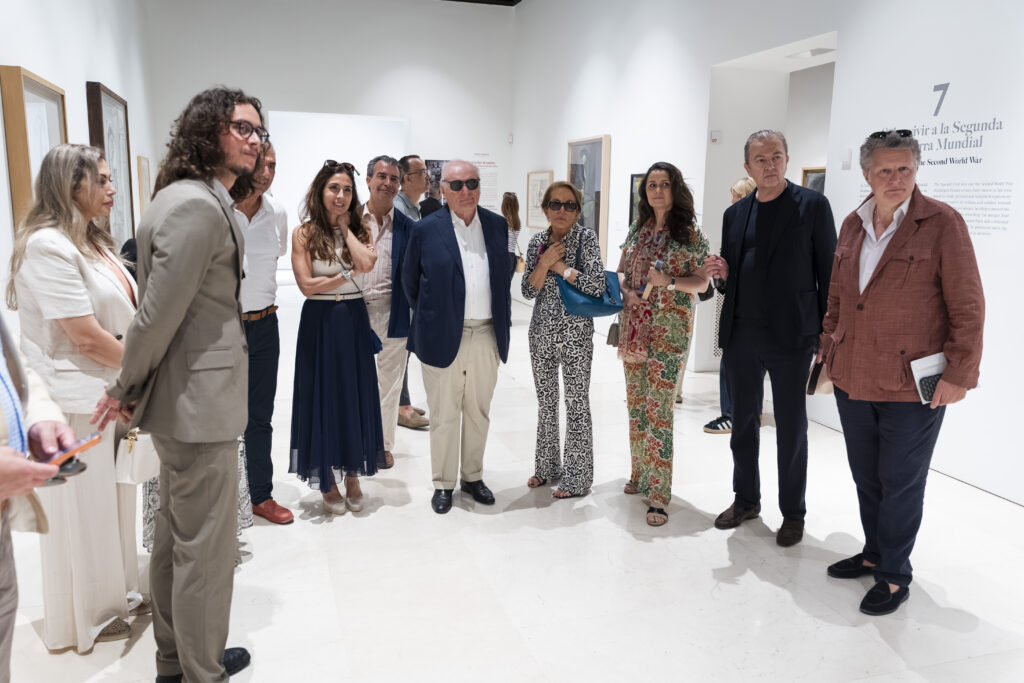
S&A Magazine takes away from this evening one certainty: wherever art, time and movement intersect with this intensity, history is not only written. The map of the cultural future yet to come is also drawn.